Collision with terrain
Northwestern Air Lease Ltd.
BAE Systems Jetstream 3212, C-FNAA
Fort Smith Airport (CYSM), Northwest Territories, 0.7 NM NW
Executive summary
At 0641 Mountain Standard Time on 23 January 2024, during the hours of darkness, the Northwestern Air Lease Ltd. British Aerospace P.L.C. Jetstream Model 3212 aircraft (registration C-FNAA, serial number 929) departed Fort Smith Airport (CYSM), Northwest Territories, on an instrument flight rules flight to Diavik Aerodrome (CDK2), Northwest Territories, with a captain, a first officer, and 5 passengers on board. Shortly after departure from Runway 30 at CYSM, the aircraft began a descent, collided with trees 0.5 nautical miles (NM) past the end of the runway, and subsequently impacted terrain 0.6 NM from the end of the runway and 0.1 NM left of the extended runway centreline. The captain, the first officer, and 4 of the passengers were fatally injured. One passenger, who had been ejected from the aircraft during the accident sequence, received minor injuries. The emergency locator transmitter activated, and a signal was received by the Canadian Mission Control Centre. The aircraft was destroyed, and a post-impact fire consumed much of the aircraft’s fuselage.
The investigation determined that during departure, the captain intentionally kept a low pitch attitude and a high airspeed to remove possible snow accumulation on the aircraft. As a result, the aircraft’s departure profile was closer to the ground than it would be on a standard departure. Then, when the captain and first officer attempted to raise the landing gear, the combination of an outside air temperature colder than approximately −20 °C and the air load on the landing gear from the increased speed resulted in 1 of the main landing gear units, likely the left unit, not fully retracting. Following the first officer’s call to reduce airspeed, the captain reduced engine power to reduce the aircraft’s speed and allow the main landing gear to fully retract. As a result of the decreased power, the aircraft entered an inadvertent descent at 140 feet above ground level. The captain and first officer were likely preoccupied with the abnormal main landing gear indication and the aircraft’s airspeed and did not notice the aircraft’s loss of altitude until immediately before impact. As a result, the aircraft impacted trees and terrain 10 seconds after the descent began.
The investigation also examined factors that may not have been causal or contributing to this occurrence but could pose a risk to the transportation system in the future.
The investigation found that an issue involving the left main landing gear unit and its tendency to not fully retract had not been recorded in the aircraft’s journey log. If pilots do not record all aircraft defects in the aircraft’s technical records, maintenance personnel may not address them, increasing the risk that the aircraft will be dispatched for flight in an unsafe condition.
An aircraft take-off performance analysis completed by the TSB laboratory indicated that the occurrence aircraft’s flight performance was not significantly degraded by negative aerodynamic factors related to critical surface contamination. Critical surface contamination therefore did not contribute to the aircraft’s collision with the trees. However, if pilots do not ensure that an aircraft’s critical surfaces are clear of contaminants before flight, there is a risk that aircraft performance will be degraded.
The roles and responsibilities of both the pilot flying and the pilot monitoring must be clearly defined to improve both pilots’ performance. The investigation determined that the monitoring roles and responsibilities during a departure were not explicitly defined in Northwestern Air Lease Ltd.’s manuals. If the roles and responsibilities of the pilot flying and pilot monitoring are not well defined, their monitoring of the aircraft may not be effective, increasing the risk that they will not observe and correct deviations from the intended flight path.
Checklists are critical information resources that provide pilots with procedural guidance for operating an aircraft. They provide predetermined solutions to various situations and they account for risk factors that may not be readily apparent during normal operations or during an abnormal or emergency situation. The data collected during the investigation indicate that historically, pilots did not reference the abnormal checklist after they had observed the abnormal landing gear indication. If pilots do not follow the procedures recommended by the aircraft manufacturer, there is a risk that an aircraft will enter an undesired state due to inappropriate or incorrect actions being performed.
The investigation determined that the pilots at Northwestern Air Lease Ltd. who flew Jetstream aircraft were well aware of an issue with the occurrence aircraft’s main landing gear, which, in certain circumstances, would not lock in the retracted position. Because this issue did not arise on every flight, the consensus within the company was that it did not constitute a flight safety concern that warranted being entered in the aircraft’s technical records. Additionally, a simple and informal adaptation (or workaround) had been developed by the pilots to make the main landing gear lock in the retracted position. Given that this workaround had consistently produced successful results on other flights conducted before the occurrence and had allowed the pilots on those flights to continue without any further issues, it reinforced the benign nature of both the issue and the adaptation. However, if adaptations of standard operating procedures are accepted and normalized, but are not formally implemented within a company, there is a risk that inconsistent interpretation of procedures between pilots could impair shared situational awareness and crew resource management effectiveness.
In October 2024, Northwestern Air Lease Ltd. amended the standard operating procedures manual for the Jetstream series 3100 and 3200 aircraft to clarify specifically how and when pilots should address both abnormal and emergency situations during a flight.
Investigation information
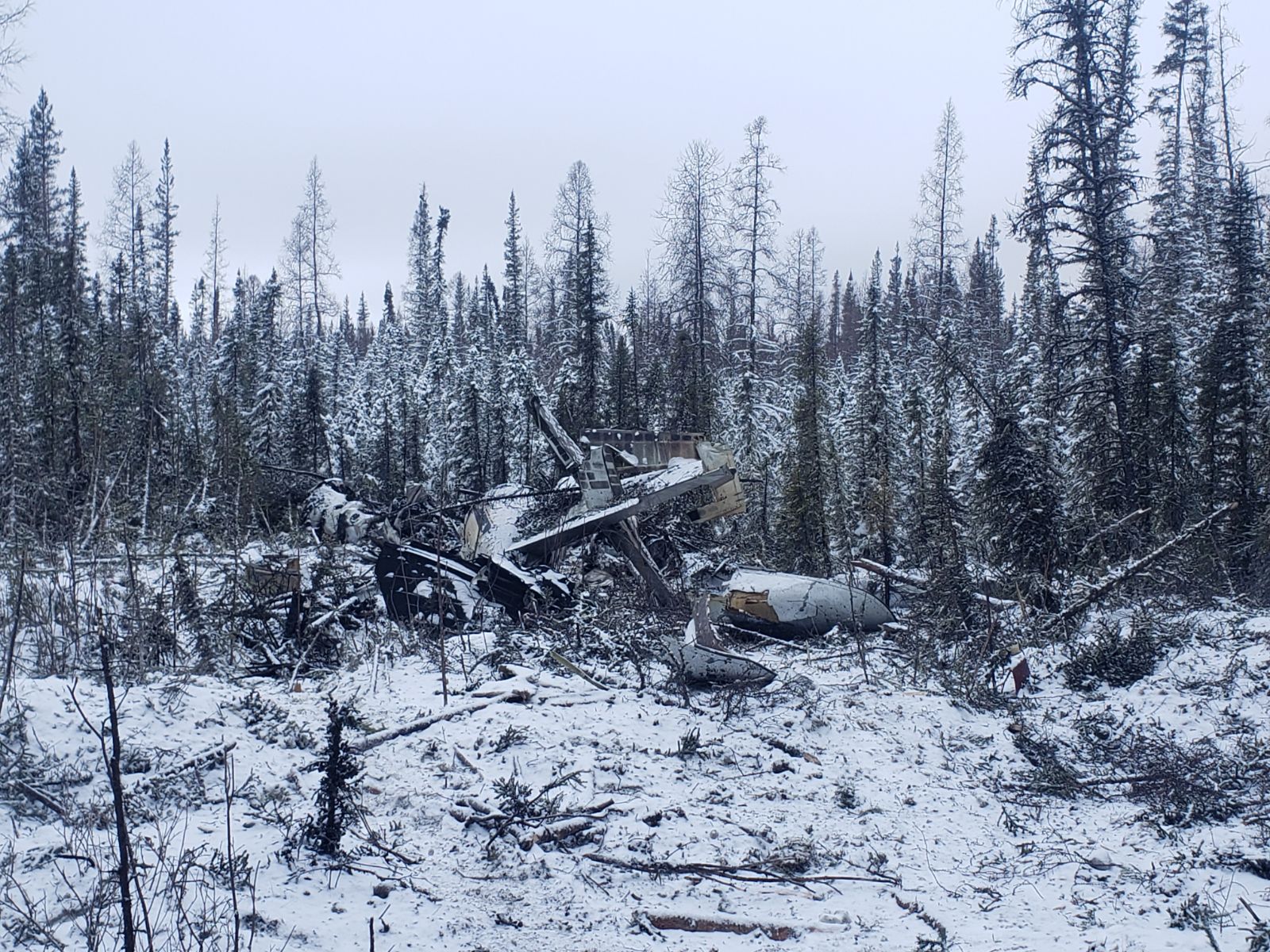
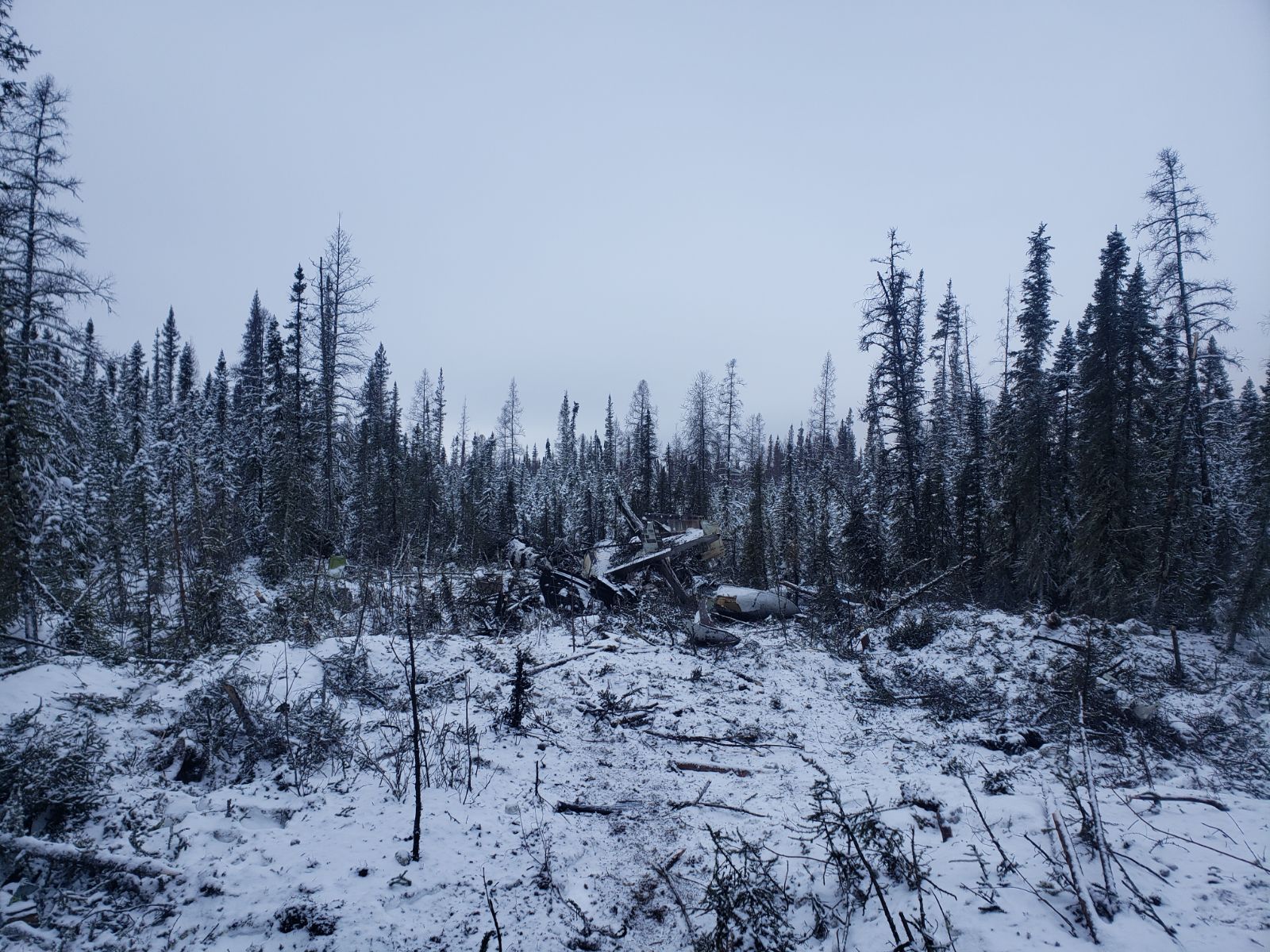
Download high-resolution photos from the TSB Flickr page.
Class of investigation
This is a class 2 investigation. These investigations are complex and involve several safety issues requiring in-depth analysis. Class 2 investigations, which frequently result in recommendations, are generally completed within 600 days. For more information, see the Policy on Occurrence Classification.
TSB investigation process
There are 3 phases to a TSB investigation
- Field phase: a team of investigators examines the occurrence site and wreckage, interviews witnesses and collects pertinent information.
- Examination and analysis phase: the TSB reviews pertinent records, tests components of the wreckage in the lab, determines the sequence of events and identifies safety deficiencies. When safety deficiencies are suspected or confirmed, the TSB advises the appropriate authority without waiting until publication of the final report.
- Report phase: a confidential draft report is approved by the Board and sent to persons and corporations who are directly concerned by the report. They then have the opportunity to dispute or correct information they believe to be incorrect. The Board considers all representations before approving the final report, which is subsequently released to the public.
For more information, see our Investigation process page.
The TSB is an independent agency that investigates air, marine, pipeline, and rail transportation occurrences. Its sole aim is the advancement of transportation safety. It is not the function of the Board to assign fault or determine civil or criminal liability.